[:fr]L’édition de 1999 du livre « A pied du Rhône à la Maggia » suggère d’effectuer le périple en 6 jours. Là, j’avais décidé de le faire sur 4 jours. Quoi que l’on décide de faire, l’étape entre Pomatt (Formazza) et Bosco/Gurin ne peut être tellement raccourcie. Le seul moyen de faire plus court serait de monter à la Guriner Furggu, un peu plus basse, et rejoindre la Grossalp où on pourrait passer la nuit… ou descendre en télésiège.
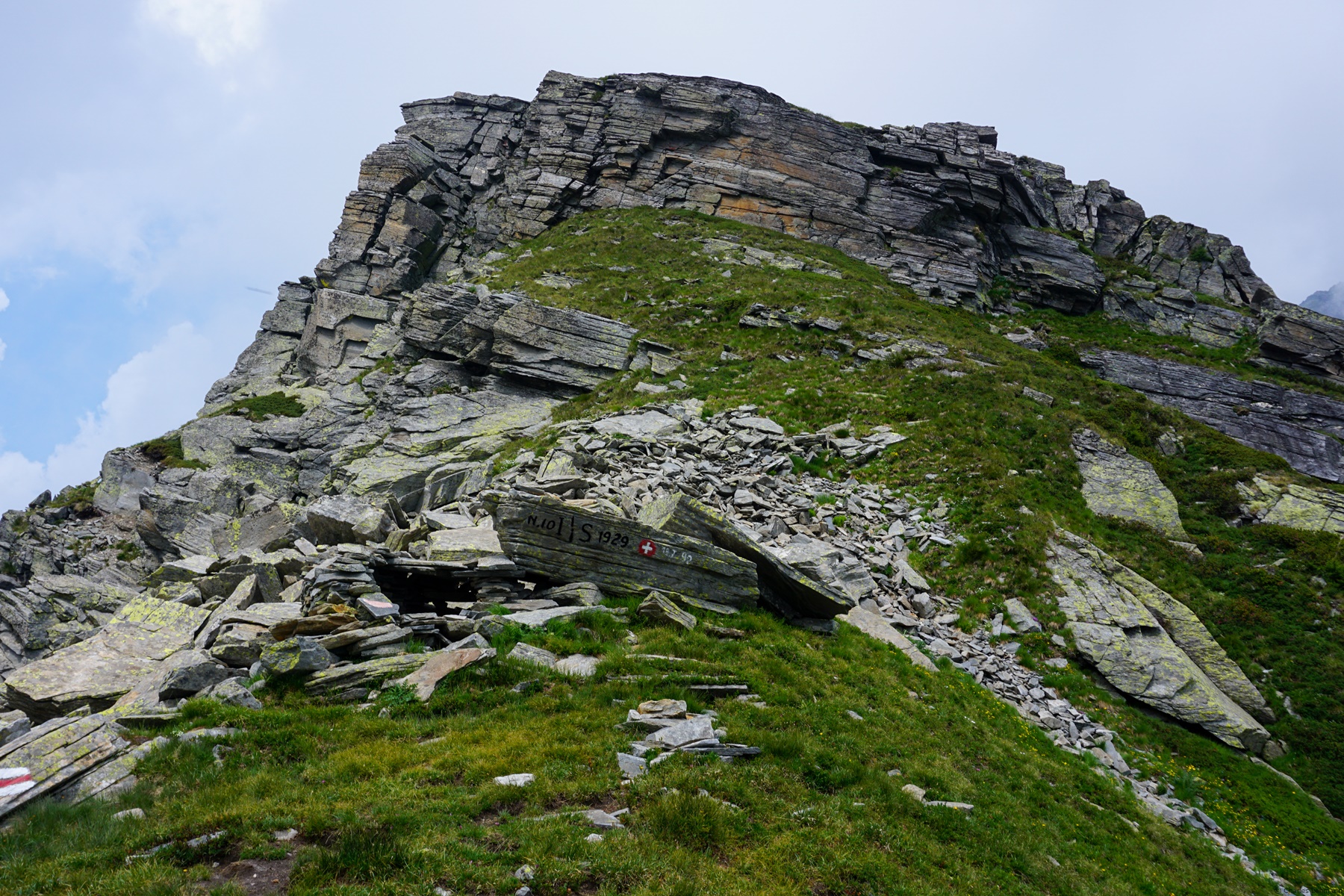
Dans l’édition de 1999 du livre, on insiste fortement sur le nom de Hint Furka pour désigner le col emprunté par la protagoniste. En consultant la carte Siegfried (qui était d’actualité dans les années 50), on s’aperçoit que le col est mentionné comme Hint.-Furka, ce qui correspondrait à Hintere Furka (Hendar Furggu en dialecte, graphie conforme qui a été reprise sur les cartes modernes).
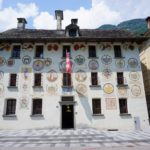
A mentionner également l’hôtel Walser qui est probablement celui où S. Corinna Bille avait passé la nuit. Elle y mentionne la furtive rencontre avec Plinio Martini qui a écrit quelques ouvrages décrivant la vie dans la Valle Maggia (je conseille: Il fondo del sacco). Il est intéressant de noter que Plinio cumulait deux fonctions: maître d’école à Bignasco et hôtelier durant la saison estivale.[:en]The 1999 edition of the book « A pied du Rhône à la Maggia » suggests making the journey in 6 days. There, I had decided to do it over 4 days. Whatever one decides to do, the stretch between Pomatt (Formazza) and Bosco / Gurin cannot be so shortened. The only way to make it shorter would be to go up to the Guriner Furggu, a little lower in altitude, and join the Grossalp where one could spend the night … or go down by chairlift.
In the 1999 edition of the book, there is strong emphasis on the name of Hint Furka to designate the mountain pass borrowed by the protagonist. By consulting the Siegfried map (which was topical in the 1950s), we see that the pass is mentioned as Hint.-Furka, which would correspond to Hintere Furka (Hendar Furggu in dialect, conforming spelling which has been used on modern maps).
One should also mention the Walser hotel which is probably the one where S. Corinna Bille had spent the night. She mentions there the furtive meeting with Plinio Martini who wrote several works describing life in the Valle Maggia (I recommend: Il fondo del sacco). It is interesting to note that Plinio combined two functions: schoolmaster in Bignasco and hotelier during the summer season.[:de]Die Ausgabe 1999 des Buches « A pied du Rhône à la Maggia » schlägt vor, die Wandrung in 6 Tagen zu unternehmen. Doch hatte ich beschlossen, es über 4 Tage zu tun. Was auch immer man sich entscheidet, die Strecke zwischen Pomatt (Formazza) und Bosco / Gurin kann nicht so sehr verkürzt werden. Die einzige Möglichkeit, sie kürzer zu gestalten, besteht darin, die etwas tiefere Guriner Furggu zu überqueren und die Grossalp zu erreichen, wo man übernachten könnte … oder mit dem Sessellift hinunter zu fahren.
In der Ausgabe des Buches von 1999 wird der Name Hint Furka stark unterstreicht, um das von den Protagonisten gebrauchten Pass zu bezeichnen. Wenn man sich die Siegfried-Karte ansieht (die in den 1950er Jahren aktuell war), sellt man fest, dass der Pass als Hint.-Furka bezeichnet wird, was Hintere Furka (Hendar Furggu im Dialekt, was die Schreibweise entspricht, die auf modernen Karten verwendet wird).
Man sollte ebenfalls das Walser Hotel erwähnen, in dem wahrscheinlich S. Corinna Bille übernachtet hatte. Sie erwähnt dort das flüchtige Treffen mit Plinio Martini, der mehrere Werke schrieb, die das Leben im Valle Maggia beschreiben (ich empfehle: Il Fondo del Sacco). Es ist interessant festzustellen, dass Plinio zwei Funktionen gleichzeitig ausübte: Schulmeister in Bignasco und Hotelier während der Sommersaison.[:]
In the 1999 edition of the book, there is strong emphasis on the name of Hint Furka to designate the mountain pass borrowed by the protagonist. By consulting the Siegfried map (which was topical in the 1950s), we see that the pass is mentioned as Hint.-Furka, which would correspond to Hintere Furka (Hendar Furggu in dialect, conforming spelling which has been used on modern maps).
One should also mention the Walser hotel which is probably the one where S. Corinna Bille had spent the night. She mentions there the furtive meeting with Plinio Martini who wrote several works describing life in the Valle Maggia (I recommend: Il fondo del sacco). It is interesting to note that Plinio combined two functions: schoolmaster in Bignasco and hotelier during the summer season.[:de]Die Ausgabe 1999 des Buches « A pied du Rhône à la Maggia » schlägt vor, die Wandrung in 6 Tagen zu unternehmen. Doch hatte ich beschlossen, es über 4 Tage zu tun. Was auch immer man sich entscheidet, die Strecke zwischen Pomatt (Formazza) und Bosco / Gurin kann nicht so sehr verkürzt werden. Die einzige Möglichkeit, sie kürzer zu gestalten, besteht darin, die etwas tiefere Guriner Furggu zu überqueren und die Grossalp zu erreichen, wo man übernachten könnte … oder mit dem Sessellift hinunter zu fahren.
In der Ausgabe des Buches von 1999 wird der Name Hint Furka stark unterstreicht, um das von den Protagonisten gebrauchten Pass zu bezeichnen. Wenn man sich die Siegfried-Karte ansieht (die in den 1950er Jahren aktuell war), sellt man fest, dass der Pass als Hint.-Furka bezeichnet wird, was Hintere Furka (Hendar Furggu im Dialekt, was die Schreibweise entspricht, die auf modernen Karten verwendet wird).
Man sollte ebenfalls das Walser Hotel erwähnen, in dem wahrscheinlich S. Corinna Bille übernachtet hatte. Sie erwähnt dort das flüchtige Treffen mit Plinio Martini, der mehrere Werke schrieb, die das Leben im Valle Maggia beschreiben (ich empfehle: Il Fondo del Sacco). Es ist interessant festzustellen, dass Plinio zwei Funktionen gleichzeitig ausübte: Schulmeister in Bignasco und Hotelier während der Sommersaison.[:]
[:fr]Près de San Michele (Tuffald)[:en]Near San Michele (Tuffald)[:de]Bei Tuffald (San Michele)[:]
[:fr]A l'approche de Fondovalle. Au fond, le Corno di Cramec[:en]Approaching Fondovalle. In the background, Corno di Cramec[:de]Fondovalle herannahend. Im Hintergrund, Corno di Cramec[:]
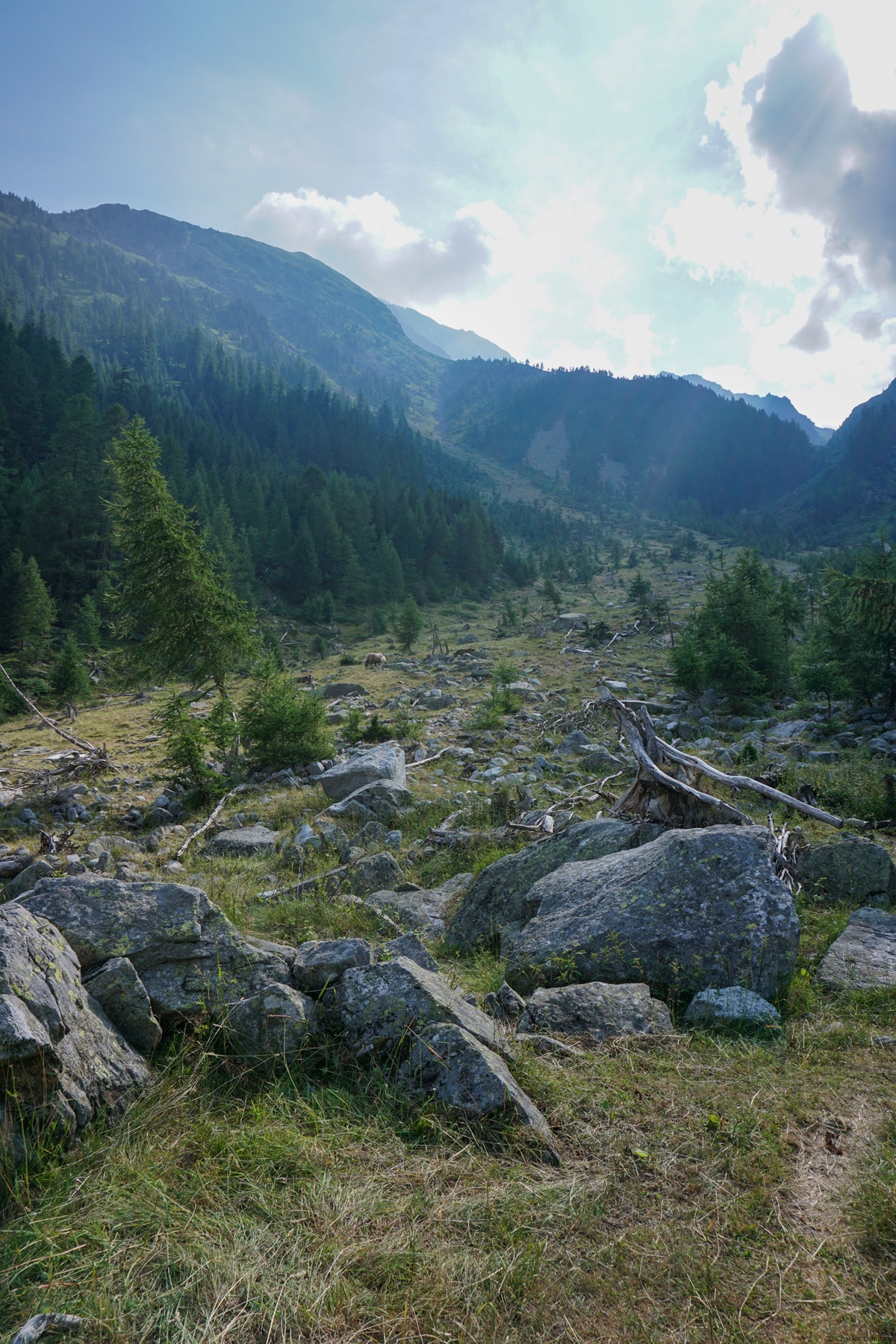
[:fr]Dans la montée vers l'Alpe Stavello[:en]Climbing to Alpe Stavello[:de]Im Aufstieg zur Alpe Stavello[:]
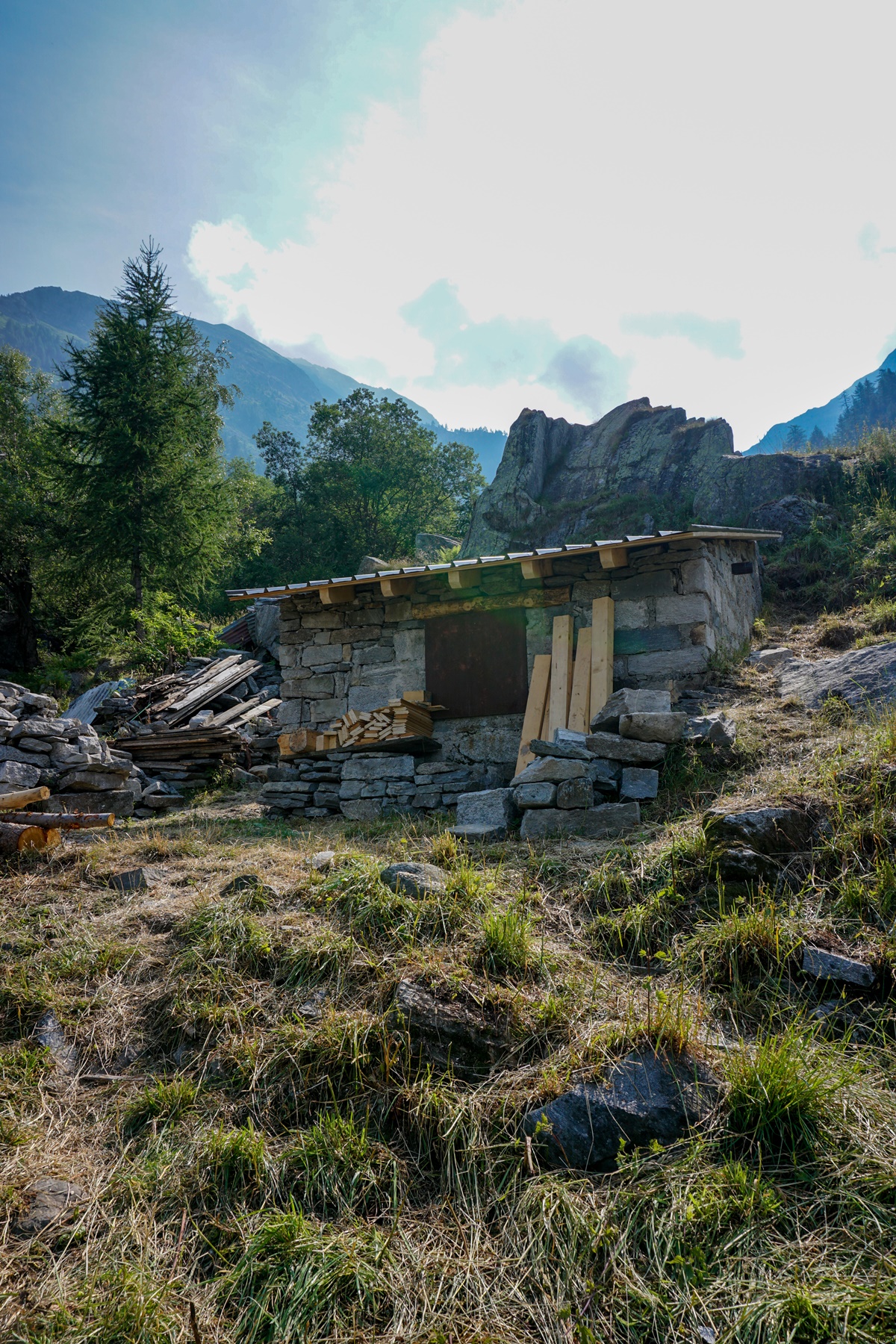
Alpe Stavello
[:fr]Le sentier monte cette pente et s'engage près de la petite gorge à droite[:en]The path climbs this slope and enters the small gully to the right[:de]Der Pfad steigt dieser Hang hinauf und erreicht das kleine Couloir rechts[:]
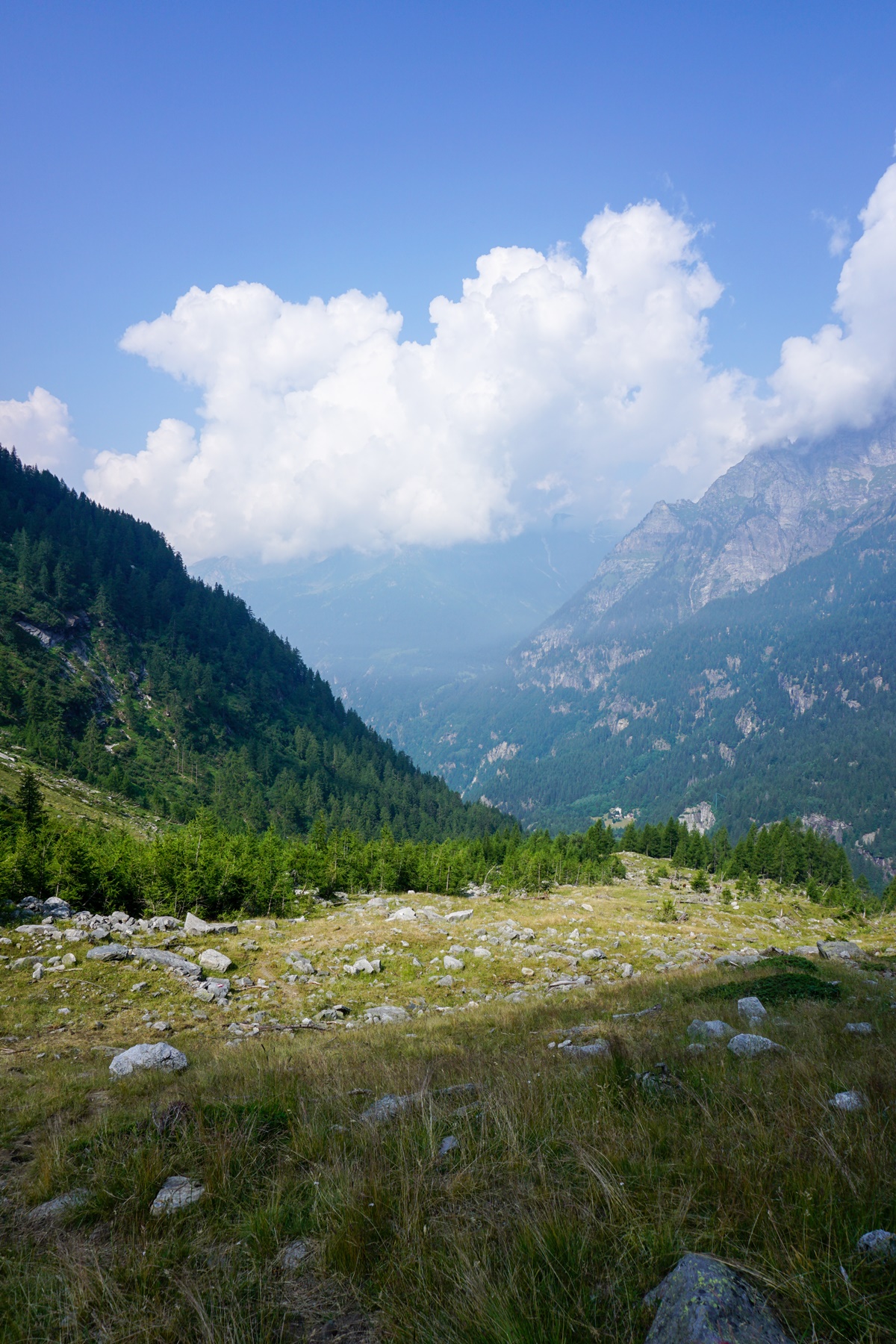
Val Formazza
[:fr]La crête en vue est la frontière[:en]The ridge in sight is the border[:de]Der Kamm der man sieht ist die Grenze[:]
[:fr]Au milieu, le Monte Giove[:en]In the middle, the Monte Giove[:de]In der Mitte, der Monte Giove[:]
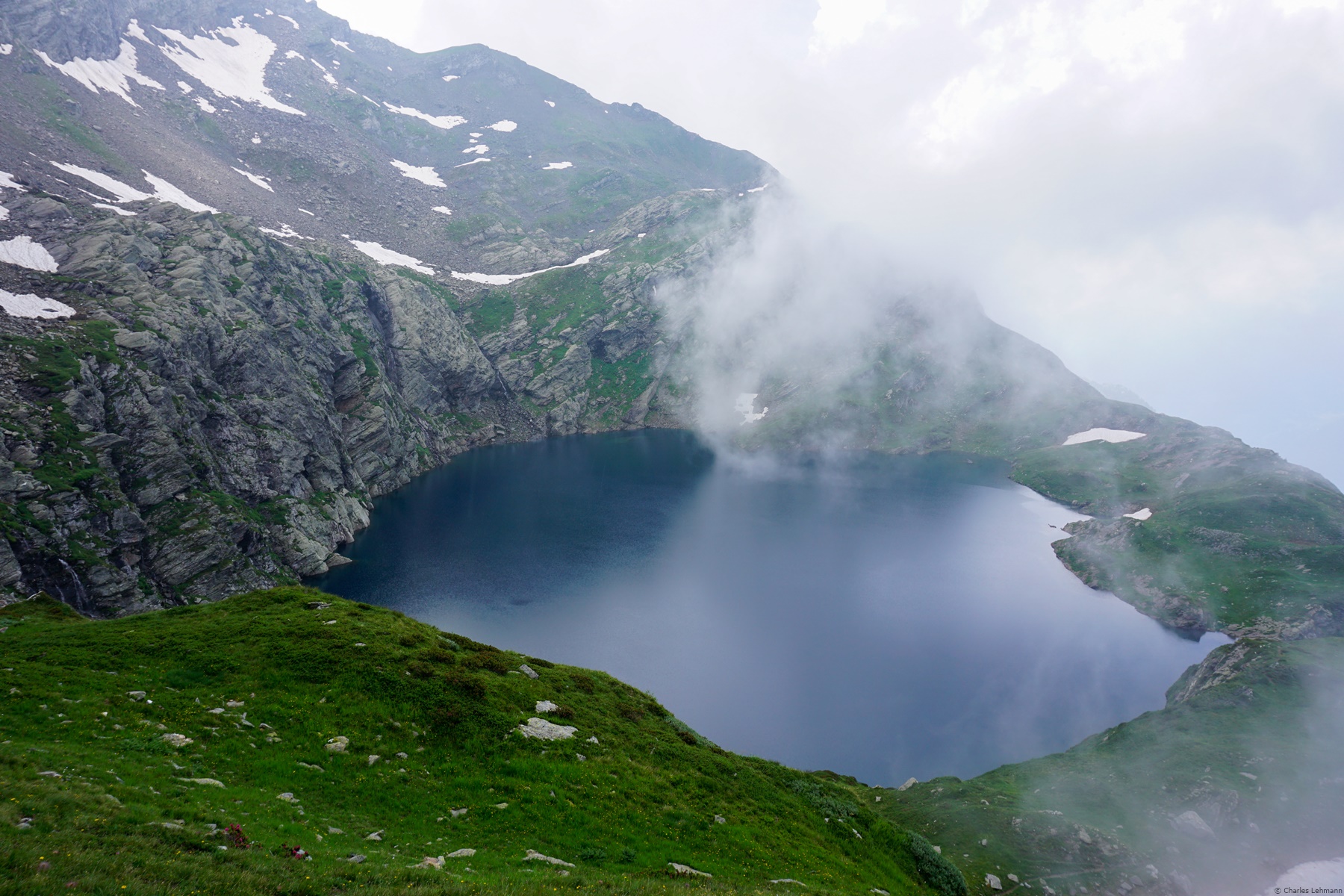
Lago Superiore [:fr]ou[:en]or[:de]oder[:] Chälisee
[:fr]Près du col[:en]Near the pass[:de]Nah beim Pass[:]
Hendar Furggu
[:fr]Le temps se gâte[:en]The weather becomes bad[:de]Das Wetter bricht um[:]
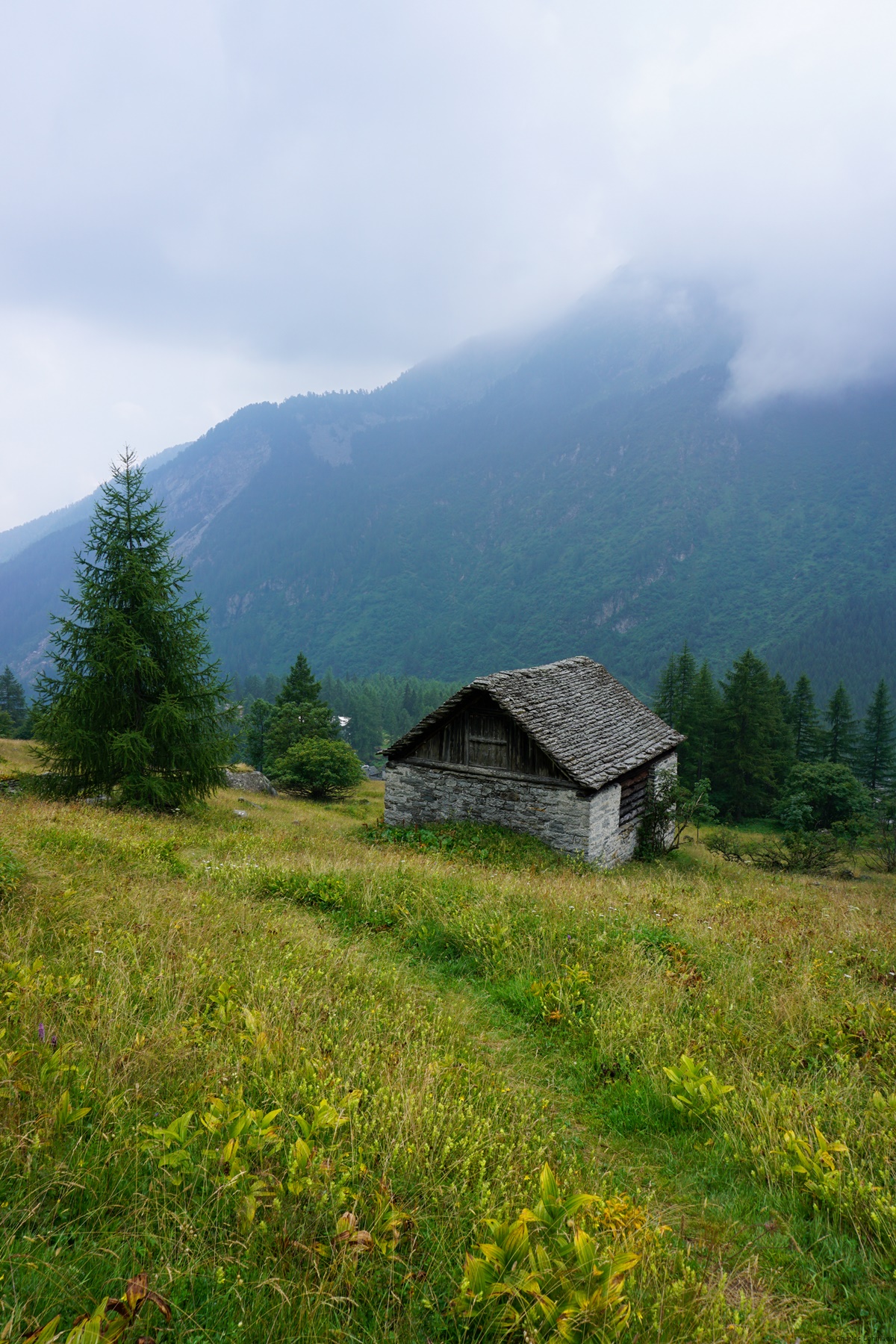
[:fr]Cabane couverte de lichens oranges[:en]Hut covered with orange lichen[:de]Hütte mit orange-farbige Flechte bedeckt[:]
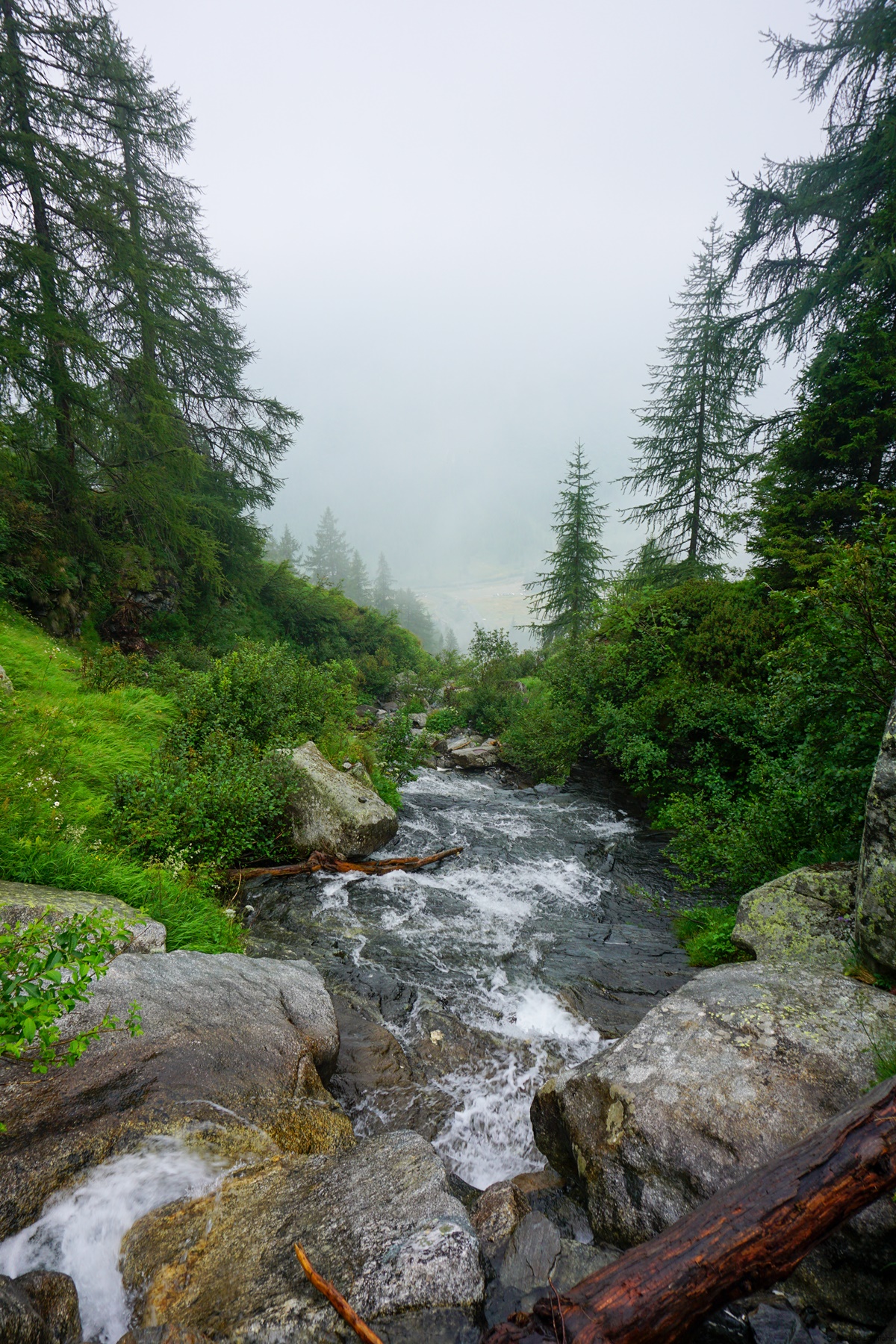
[:fr]Un des torrents descendant vers Bosco/Gurin[:en]One torrent that is flowing down towards Bosco/Gurin[:de]Einer der Bäche der nach Bosco/Gurin hinunterfliesst[:]
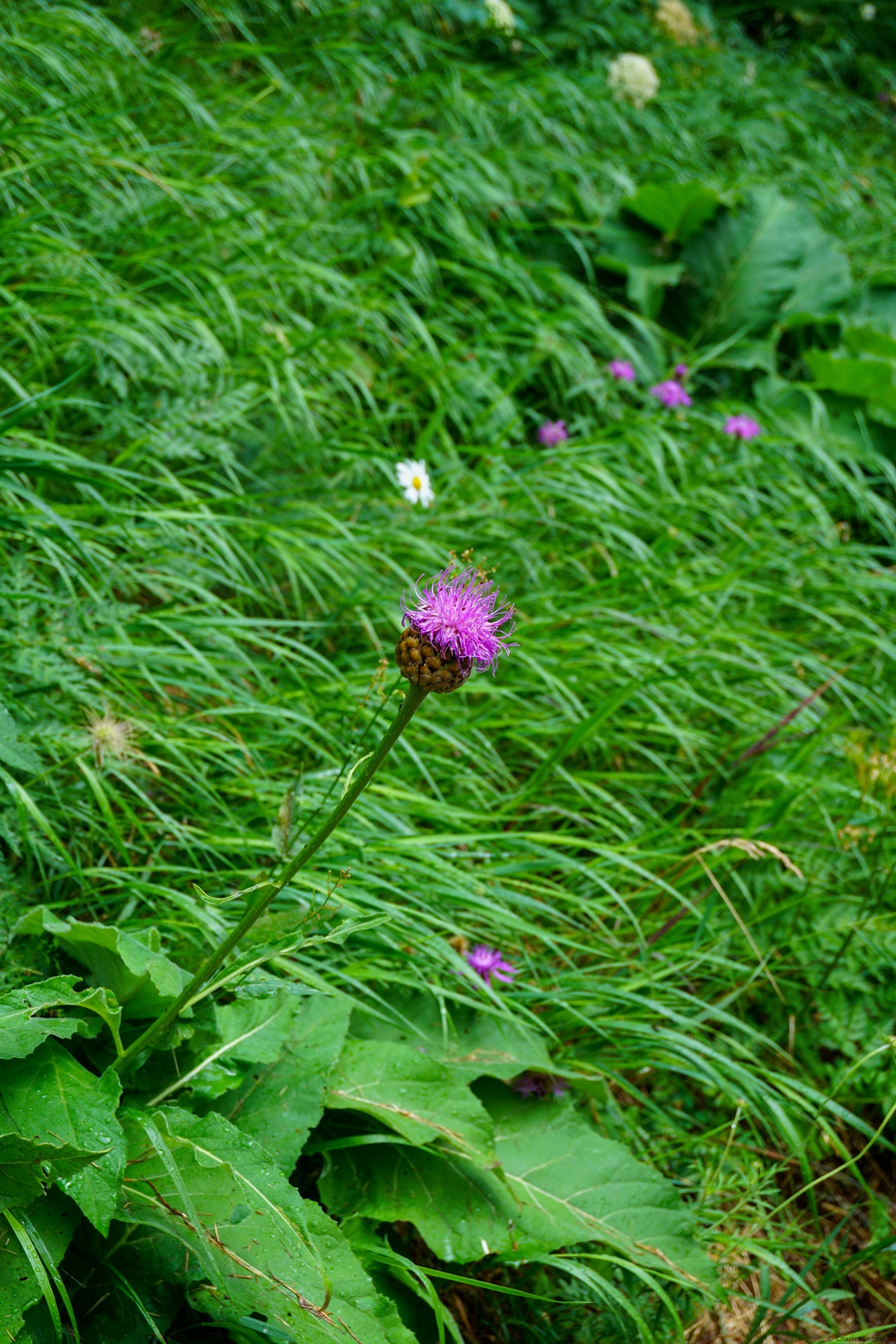
Stemmacantha Rhapontica
[:fr]On s'approche du but[:en]Near the goal[:de]Man nähert sich vom Ziel[:]
Ferder
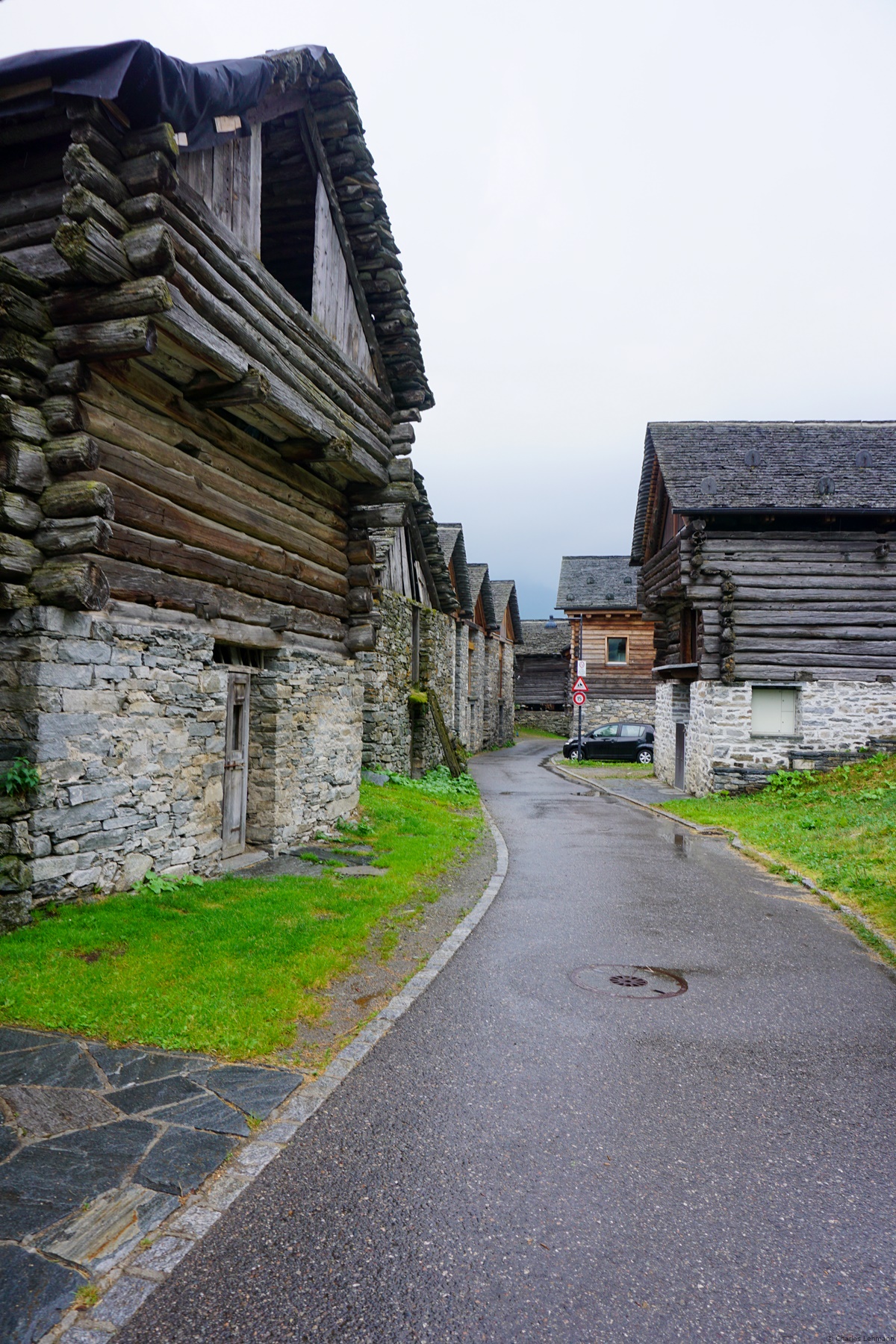
Bosco/Gurin

Article précédent
Article suivant