Téléphone : +41 22 757 67 57 frontdesk@dev.destination-montagne.ch

[:fr]A nouveau le Chemin du Soleil[:en]The Sun Trail again[:de]Wieder einmal auf dem Sonnenweg[:]

[:fr]

Même si nous avions parcouru plusieurs fois ce sentier, nous avions eu envie de suivre à nouveau le Chemin du Soleil. Ceci, parce qu’à chaque fois, l’expérience est inédite, les conditions n’étant jamais les mêmes. A fortiori dans ce cas, puisque nous avions l’habitude d’effectuer cette randonnée au printemps et qu’ici, nous étions début août.

Nous avions pris le train empruntant la ligne du Lötchberg et comme d’habitude, nous avons été surpris de constater que pratiquement tous les passagers descendent à Kandersteg. Cela s’explique par le fait que la grande majorité de ceux-ci se rendent soit à l’Oeschinensee, soit au Blausee. Je n’ose pas imaginer à quoi doivent ressembler ces lieux surfréquentés.

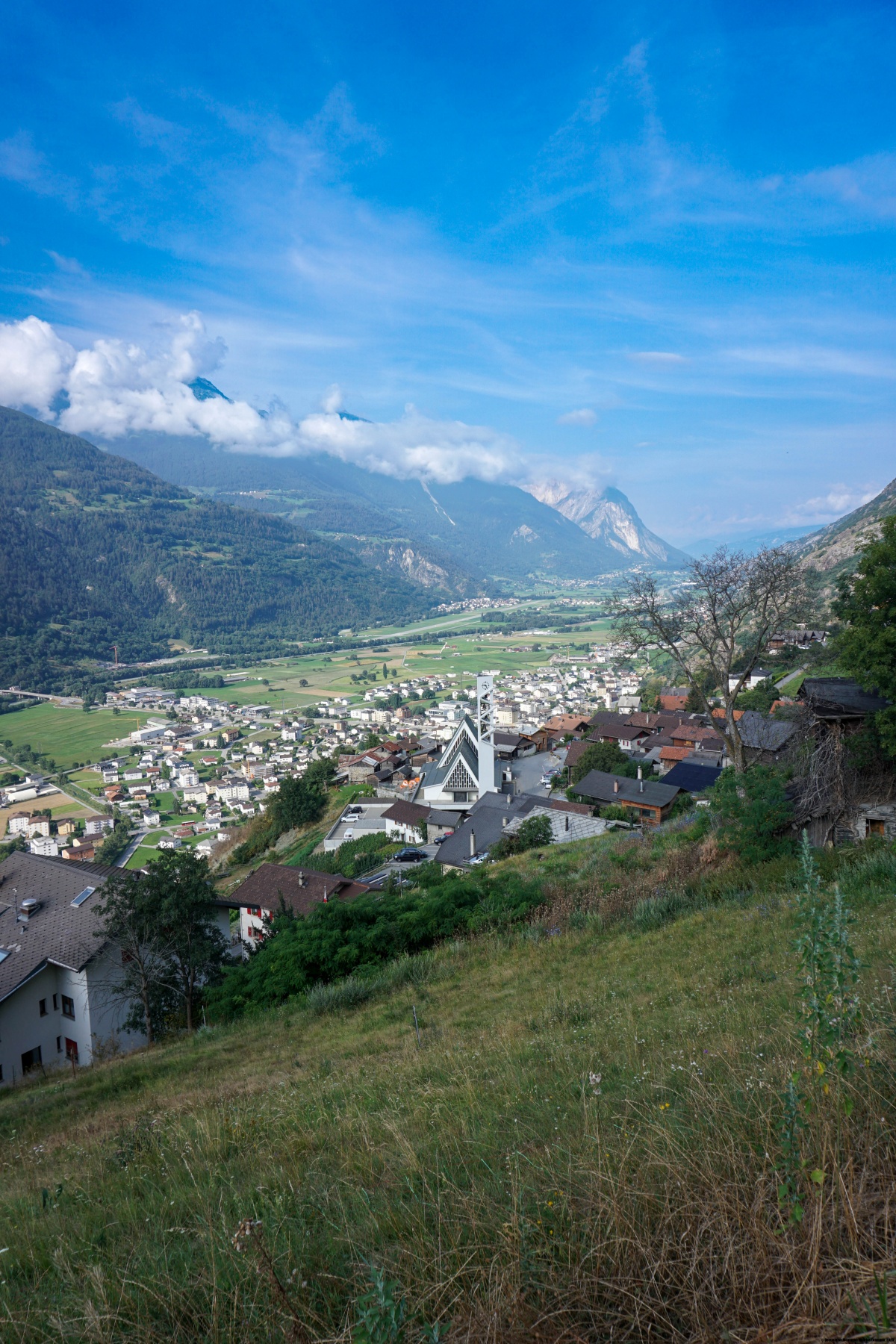
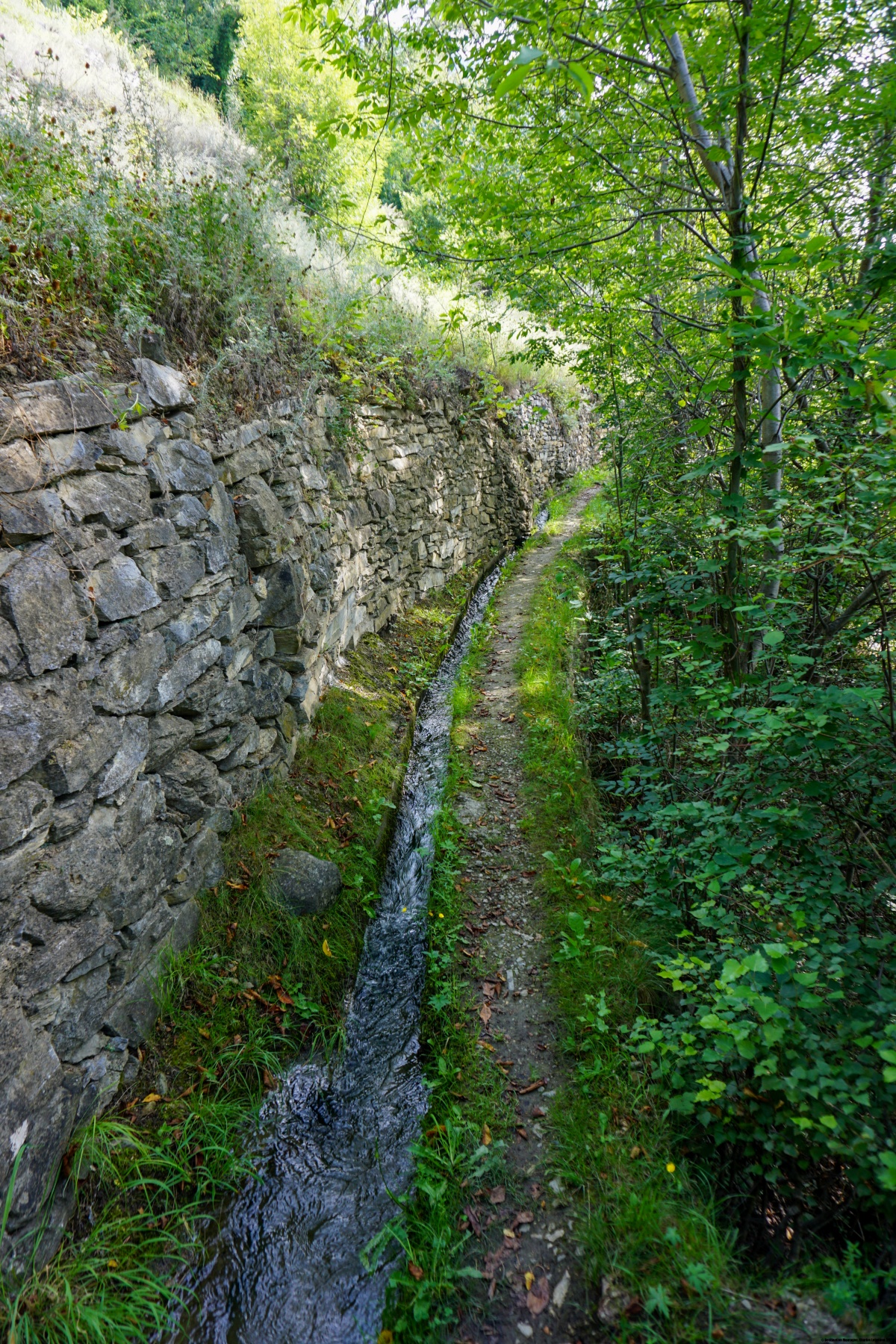
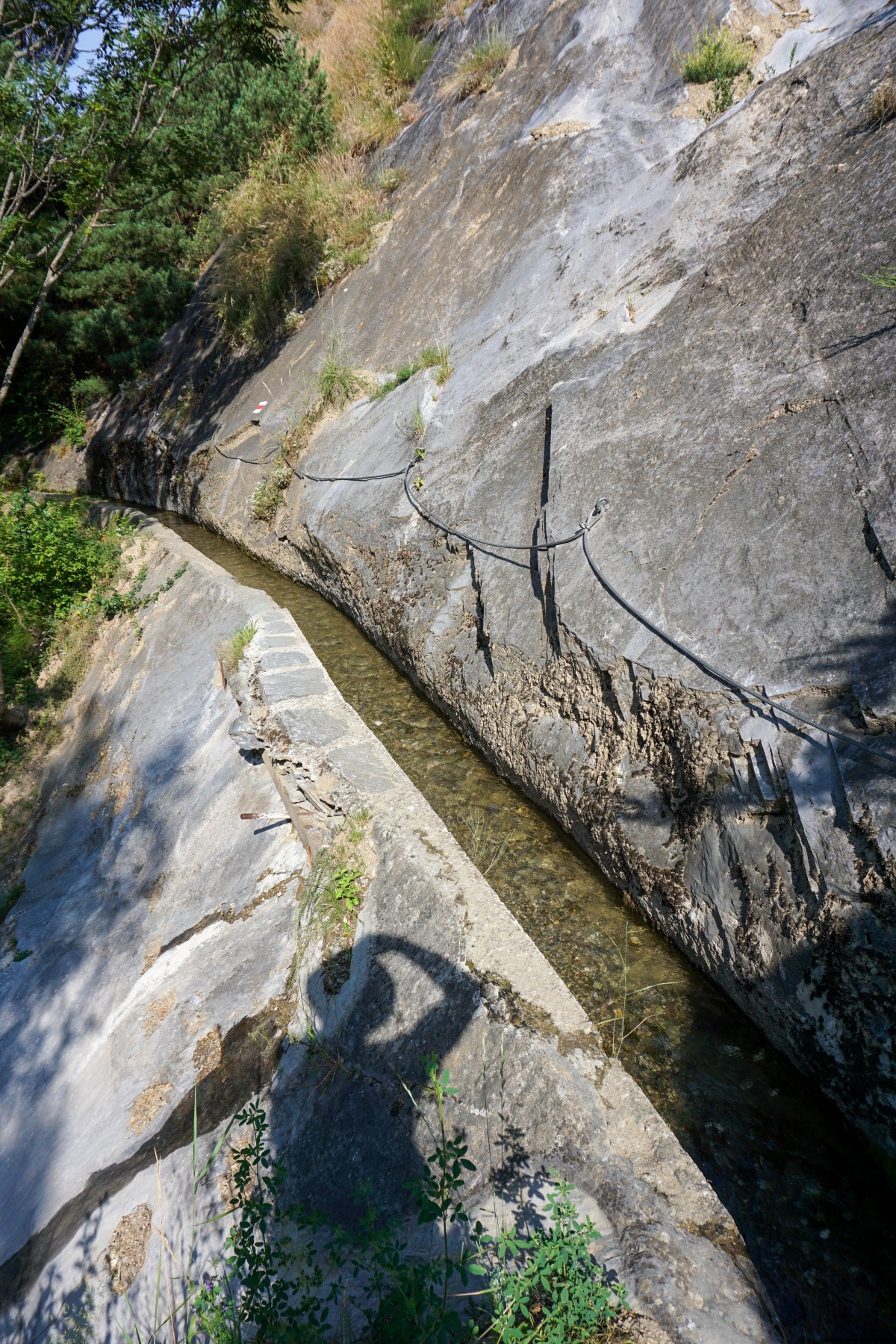
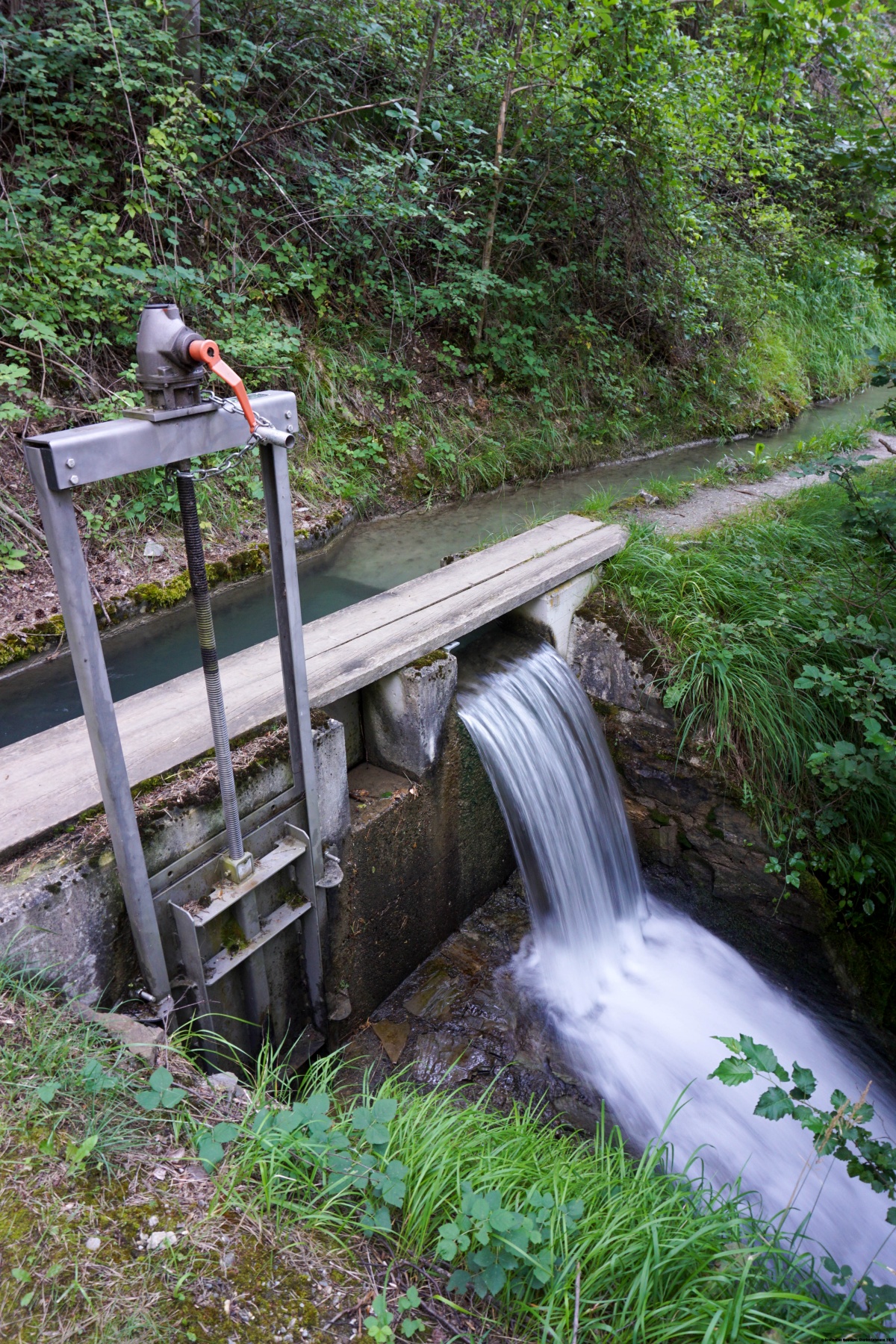
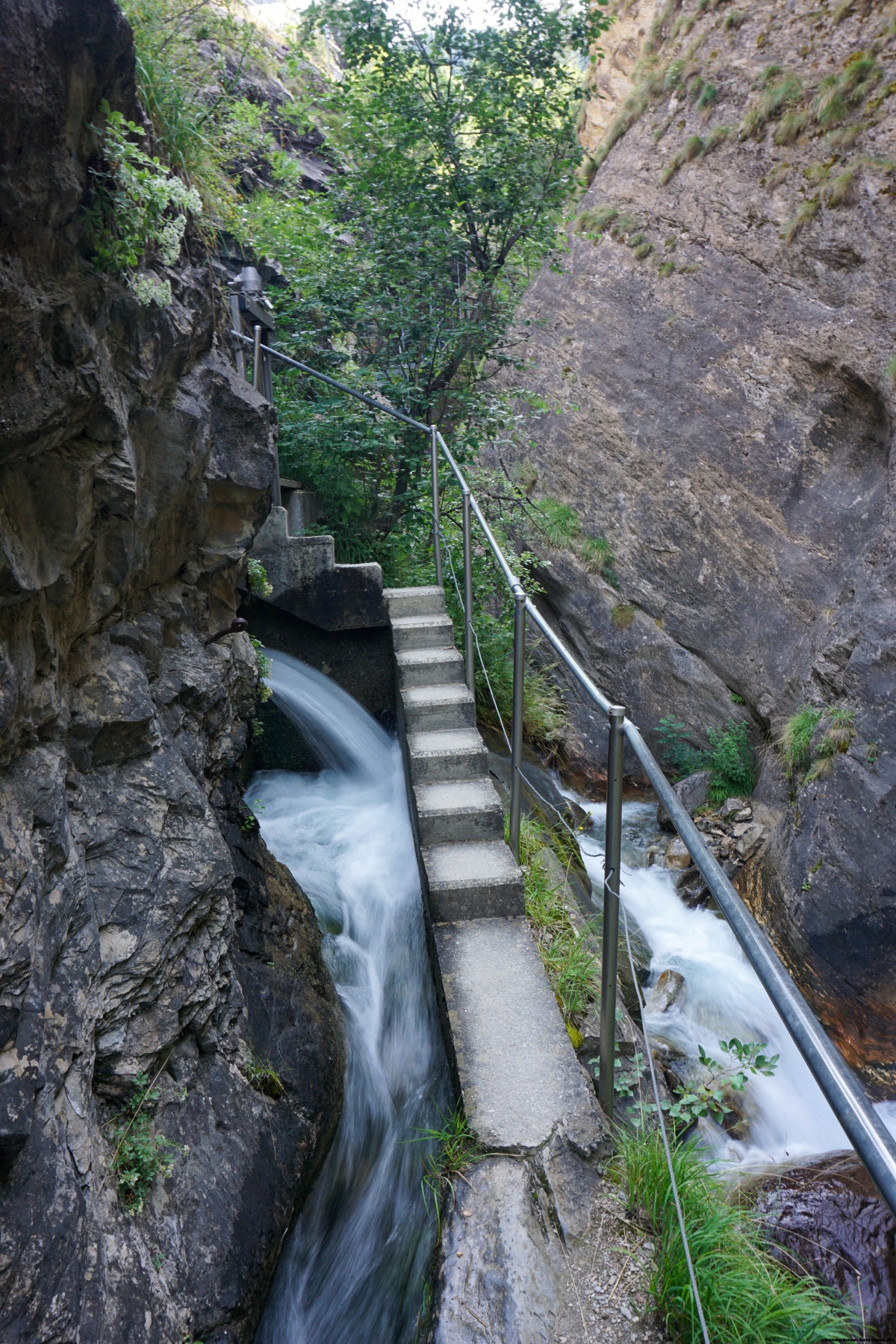
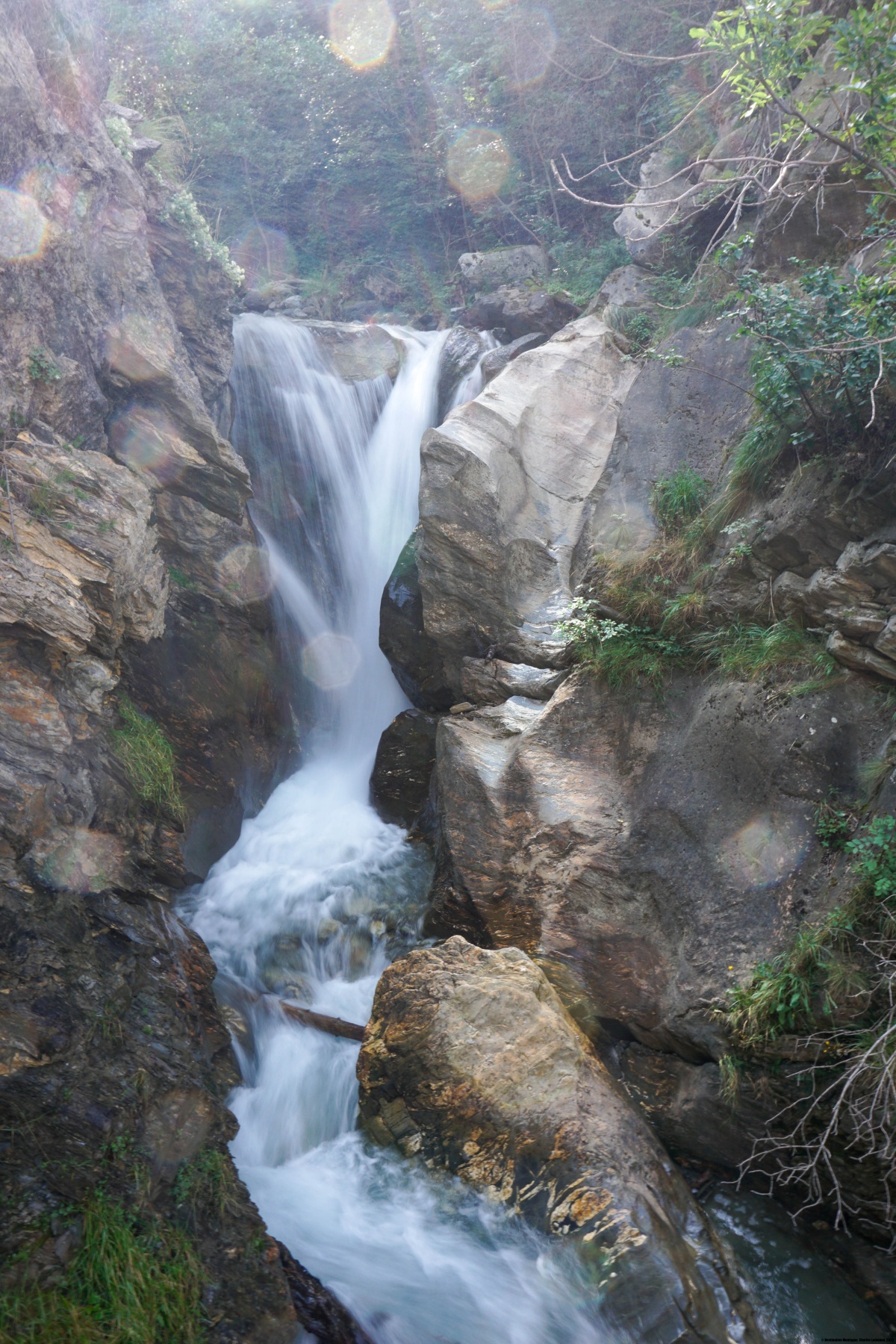
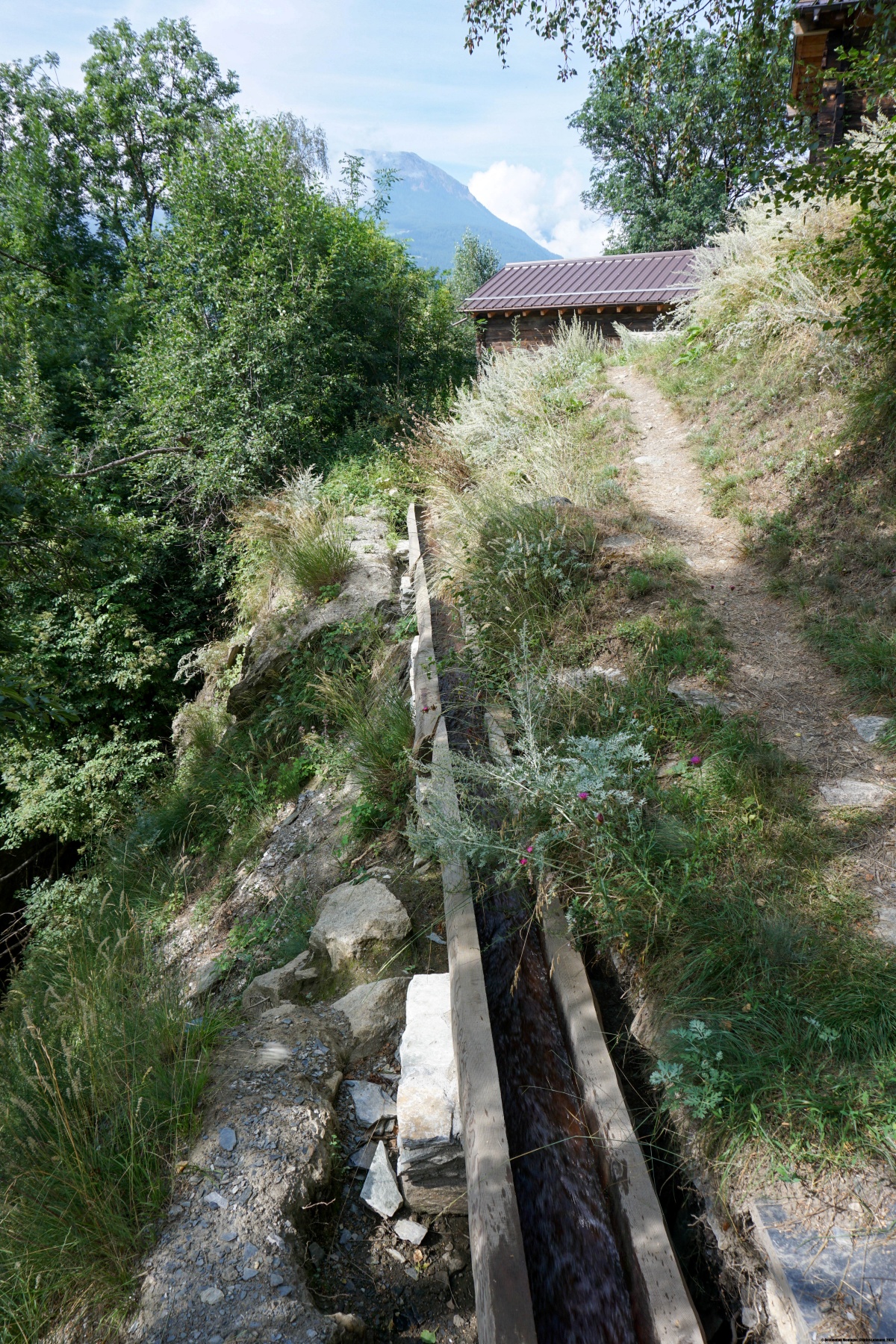
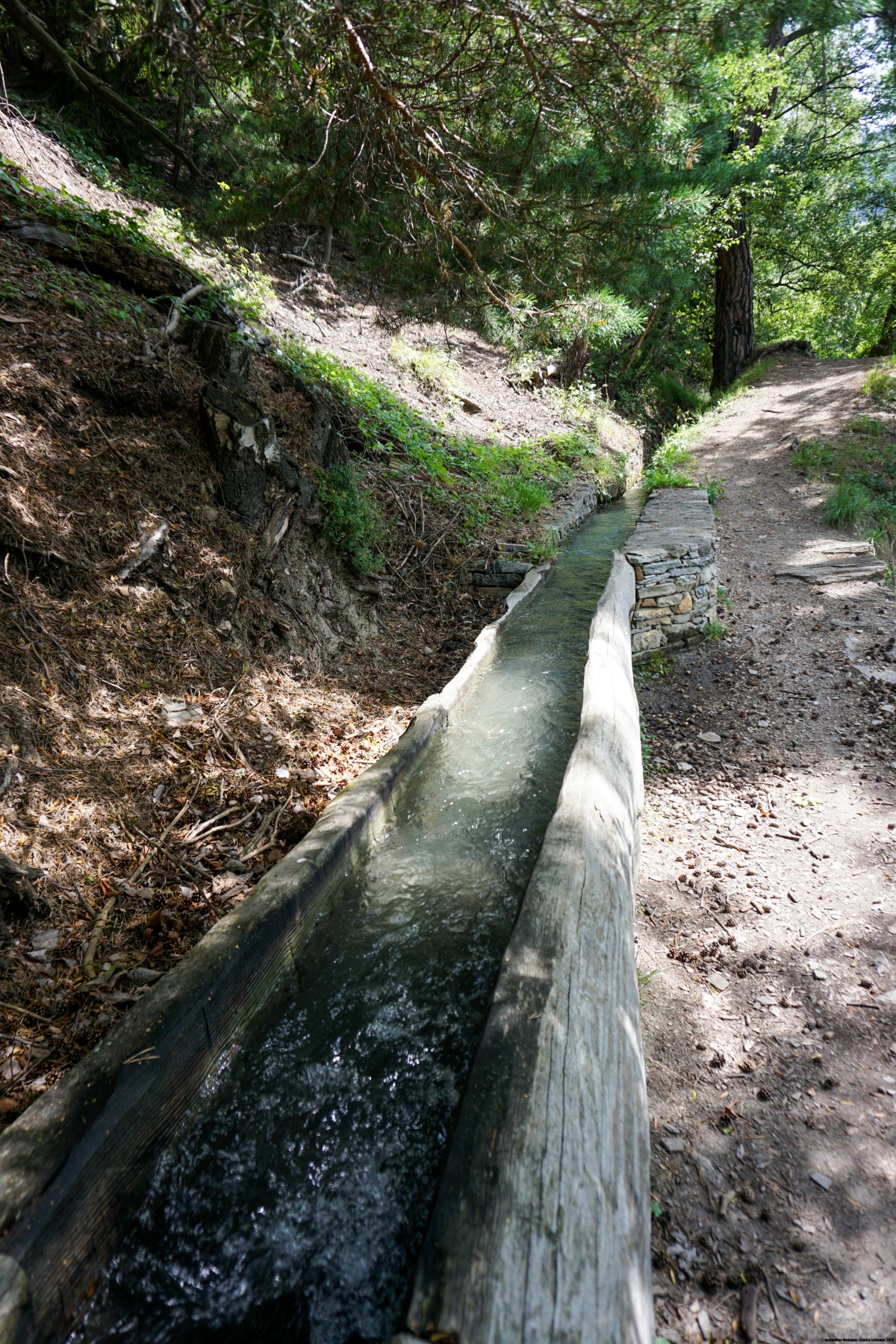
Depuis la gare de Hohntenn, on a la possibilité de suivre plus ou moins directement la voie de chemin de fer. Ce faisant, on passe près du spectaculaire Lüegilchiviadukt. Toutefois, on ne suit pas le Chemin du Soleil. Pour cela, il faut revenir un peu en arrière et descendre pour rejoindre le haut du village de Hohtenn. A partir de celui-ci, on suit alors le Stägeru Süe jusqu’à sa prise d’eau du Jolibach. Une succession astucieuse d’escaliers et de passerelles permettent de gagner de l’altitude et de rejoindre l’autre rive. Le dans cette gorge est assourdissant.

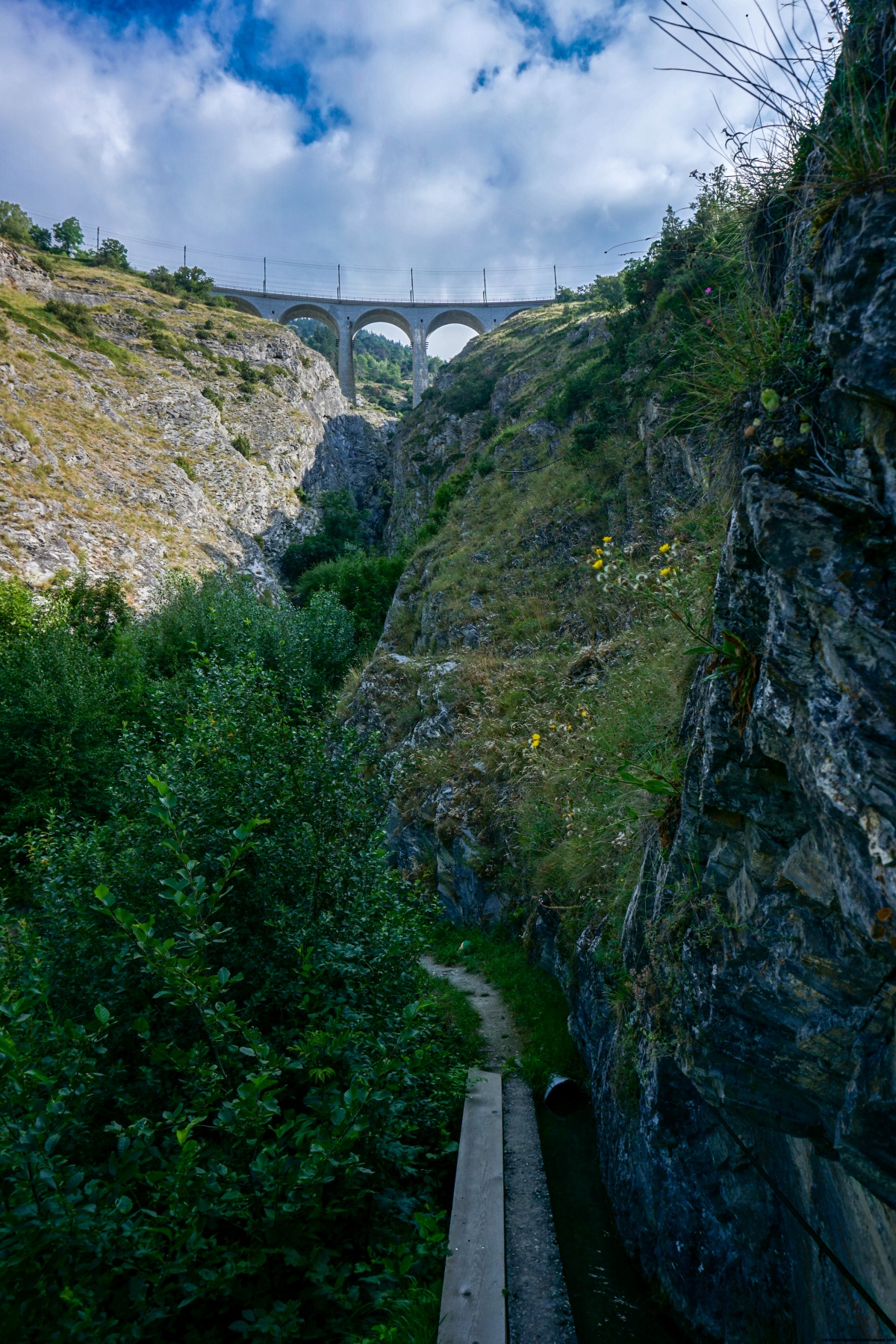
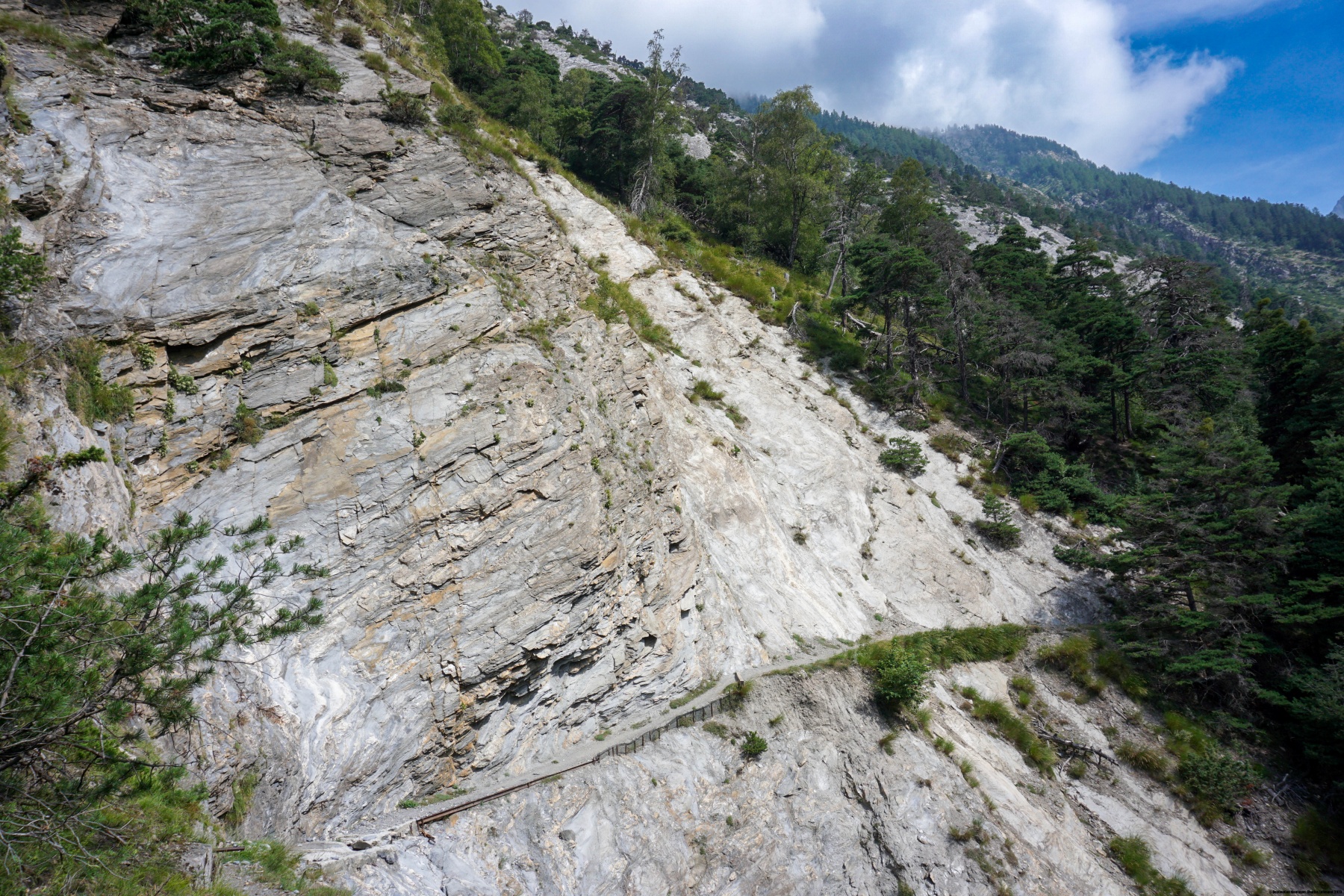
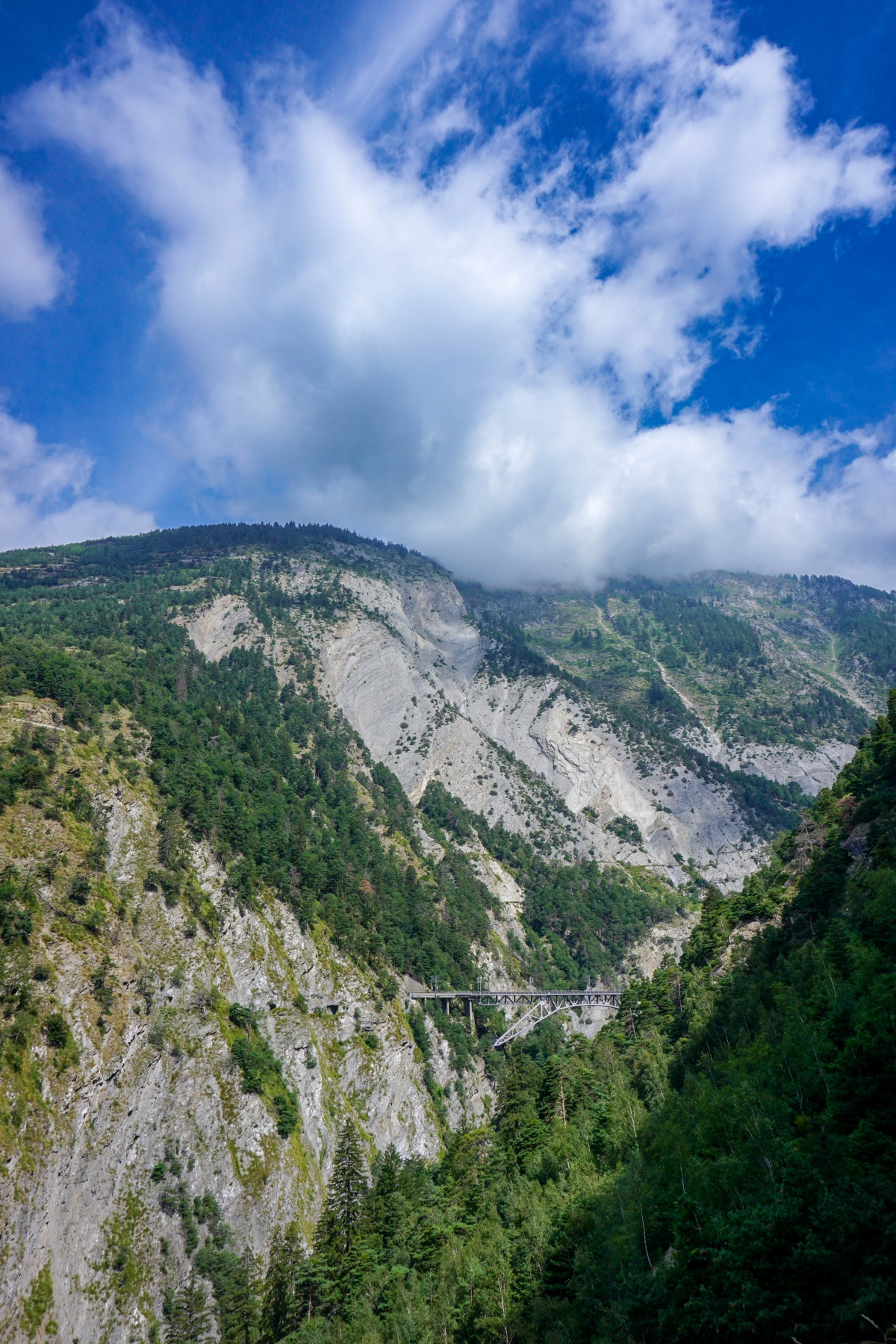
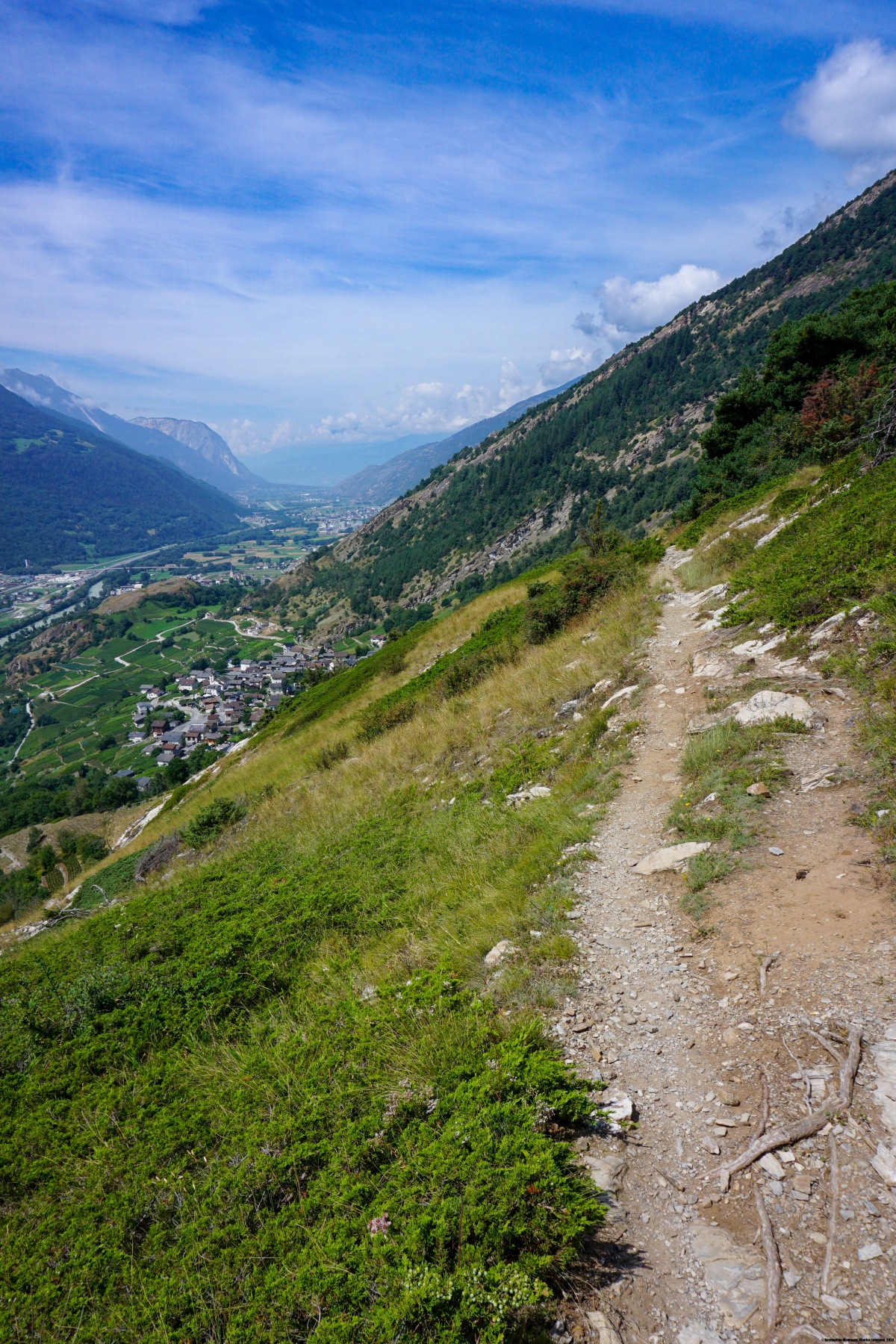
Après ce passage et une légère montée, on traverse à flanc de coteau dans un environnement passablement aride jusqu’à arriver à un replat sur lequel se trouve le petit restaurant de Chrüterbeizli. Le chemin officiel suit alors un chemin carrossable pour atteindre le viaduc sur le Bietschbach. Pour l’aspect paysager, il vaut cependant la peine de monter un peu pour rejoindre Ritzibodo et suivre un bout de la Kummera. Le nom de Kummera signifie quelque chose comme « le bisse de la Rarnerchumma ». Au retour du fond du vallon, on passe sous l’impressionnant viaduc sur le Bietschbach.

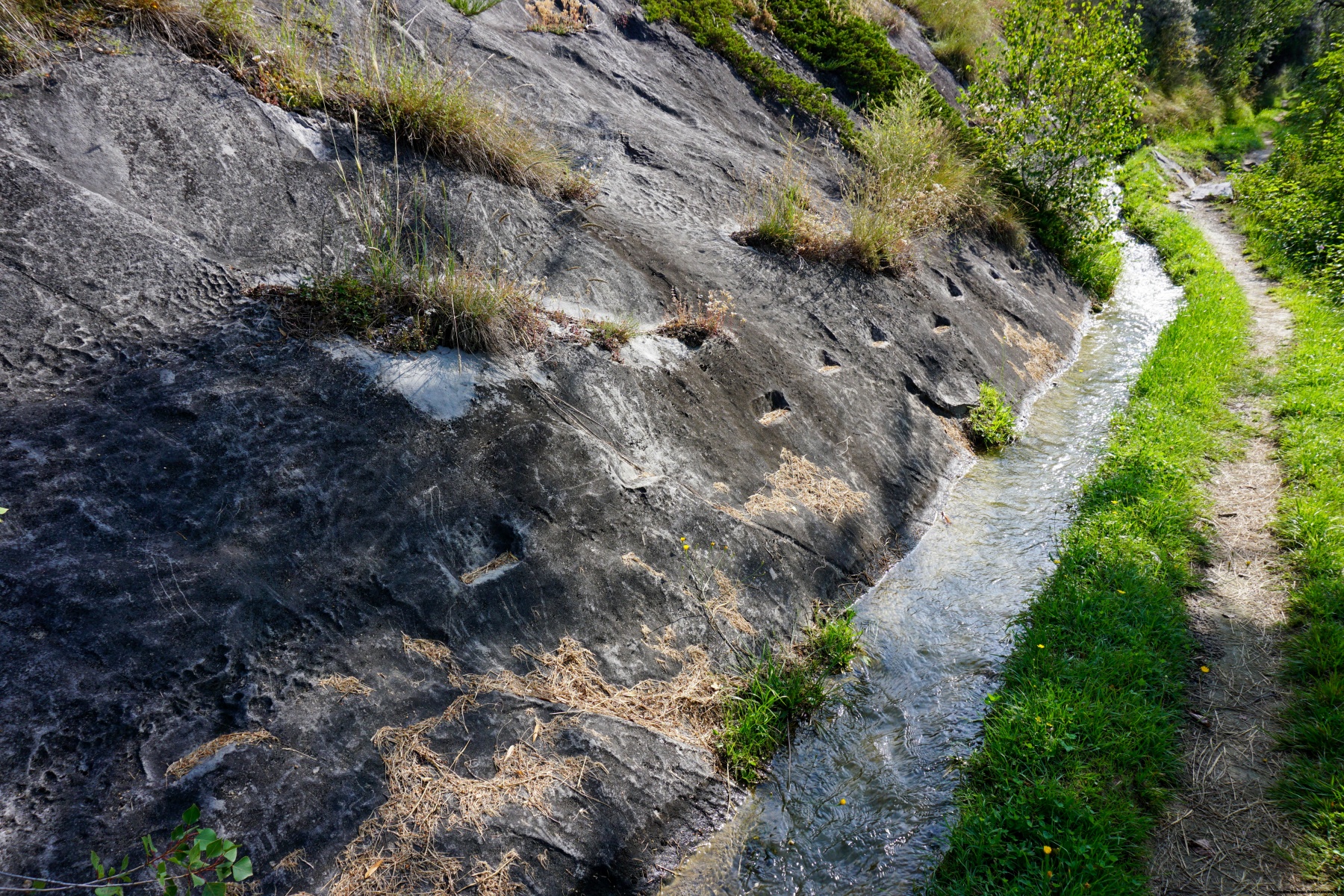
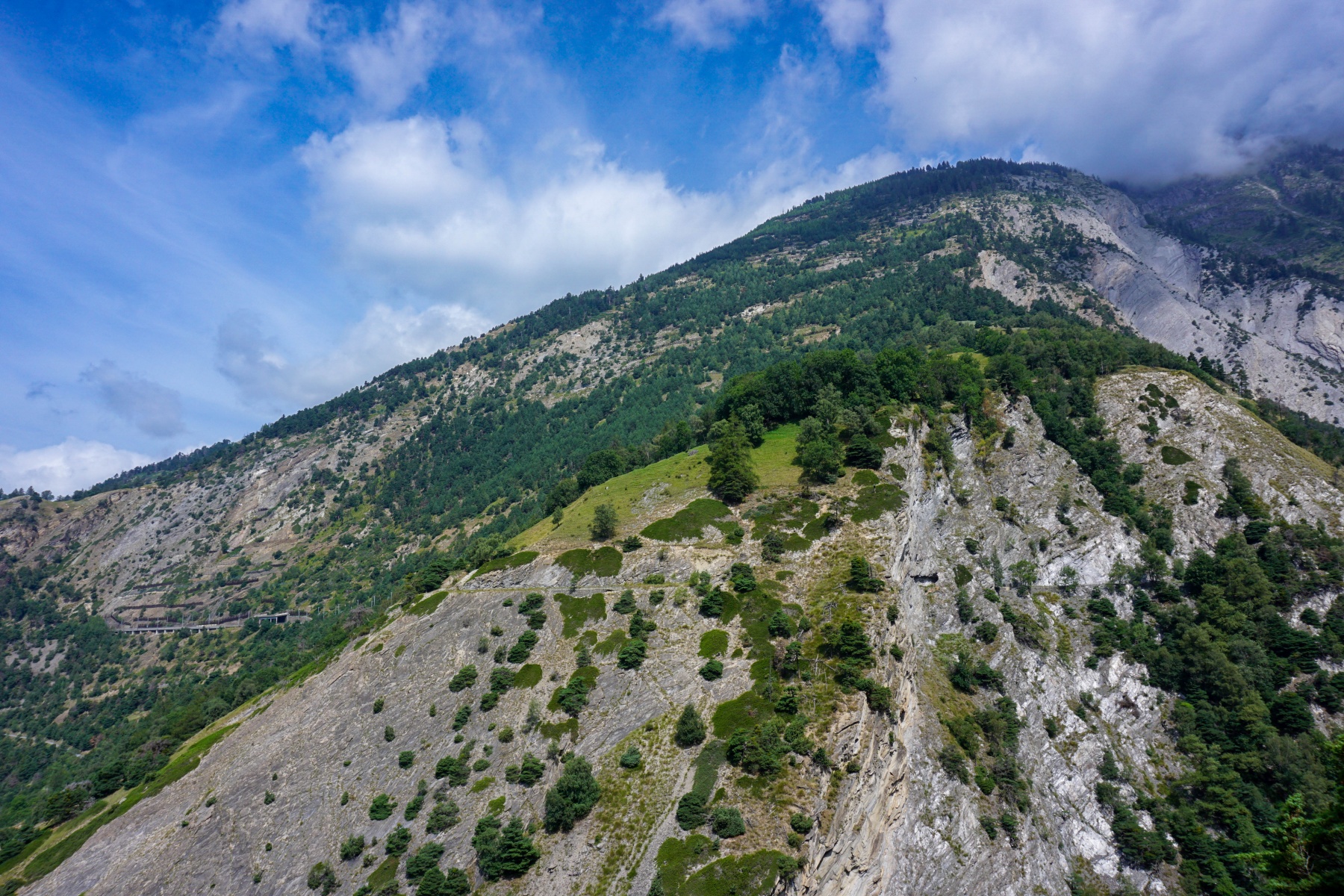
Après l’angle du vallon à Riedgarto, le sentier descend un bout avant de partir à flanc de coteau en suivant le bisse de la Manera. On passe alors au-dessus du village de St. German avant de devoir monter franchement pour passer par-dessus le Wolfbiel (que l’on pourrait traduire par « colline au loup »). Peu après avoir rejoint un petit col près du Wolfbiel et passé sous un ancien bisse (un embranchement de la Mittla), on descend finalement sur la gare d’Ausserberg.
Itinéraire : Hohtenn (gare) – Hohtenn (village) – Stägeru Süe – Ritzibodo – Naturbrücke Bietschbach – Ausserberg (gare)
Distance : 11,6Km
Dénivellation : 450m
Durée : 4h

[:en]

Even though we had already hiked the Sun Trail several times, we wanted to hike it again. This is because each time the experience is different, as the conditions are never the same. This is especially true in this case, since we usually hiked this trail in the spring and here, we were in early August.

We took the train on the Lötchberg line and as usual, we were surprised that almost all the passengers got off at Kandersteg. This is because most of them are going to the Oeschinensee or the Blausee. I don’t even want to think about what these places must look like with all the people there.

From the Hohntenn station, you can follow the railway line directly. This way, you pass by the impressive Lüegilchiviadukt. However, you are not on the Sun Trail. To get to the Sun Trail, you must go back a little and then go down to the top of the village of Hohntenn. From there, you follow the Stägeru Süe up to the intake of the Jolibach. A cleverly arranged series of stairs and bridges allows you to gain altitude and cross over to the other side. The noise in this gorge is deafening.

After this section and a slight climb, you cross the hillside in a rather barren environment until you reach a flat area where the small Chrüterbeizli restaurant is located. The official trail then follows a mud road to the Bietschbach Viaduct. However, for the sake of the landscape, it is worth going up a little to Ritzibodo and following a bit of the Kummera. The name Kummera means something like « the bisse of the Rarnerchumma ». On the way back up the valley, you pass under the impressive Bietschbach Viaduct.

After the bend in of the valley at Riedgarto, the trail goes down a bit before going up the hillside along the Manera bisse. You then pass over the village of St. German before having to go up steeply to reach the Wolfbiel (which could be translated as « wolf hill »). After joining a small pass near the Wolfbiel and passing under an old bisse (a branch of the Mittla), you finally reach Ausserberg station.

Route: Hohtenn (station) – Hohtenn (village) – Stägeru Süe – Ritzibodo – Naturbrücke Bietschbach – Ausserberg (station)
Distance: 11.6km
Elevation gain: 450m
Duration: 4h

[:de]

Auch wenn wir diesen Weg schon mehrmals gegangen sind, so hatten wir doch Lust, ihn wieder einmal zu gehen. Dies, weil es jedes Mal eine andere Erfahrung ist, da die Bedingungen nie dieselben sind. Umso mehr in diesem Fall, da wir diese Wanderung normalerweise im Frühling gegangen sind und hier Anfang August waren.

Wir fuhren mit dem Zug über die Lötchbergstrecke und wie immer waren wir erstaunt, dass praktisch alle Passagiere in Kandersteg ausstiegen. Dies ist verständlich, da die meisten von ihnen entweder zum Oeschinensee oder zum Blausee unterwegs sind. Ich wage es mir gar nicht vorzustellen, wie es dort aussieht.

Von der Hohntenn-Bahnstation aus kann man mehr oder weniger direkt dem Bahngleis folgen. Dabei kommt man an der spektakulären Lüegilchiviadukt vorbei. Allerdings ist dies nicht der Sonnenweg. Dafür muss man ein Stück zurückgehen und hinunter nach Hohtenn, wo der Stägeru Süe beginnt. Dieser führt bis zur Fassung im Jolibach. Eine raffinierte Kombination von Treppen und Stegen ermöglicht es, auf die andere Seite des Bachs zu gelangen. Das Rauschen im Schluchtental ist ohrenbetäubend.

Nach diesem Abschnitt und einer leichten Steigung geht es dann entlang des Hanges durch eine eher trockene Landschaft bis zu einer Ebene, wo das kleine Chrüterbeizli steht. Der offizielle Weg führt dann über eine Strasse bis zur Bietschbach-Brücke. Landschaftlich lohnt es sich aber, ein Stück bergwärts zu gehen und über Ritzibodo ein Stück der Kummera zu wandern. Der Name Kummera bedeutet so viel wie « der Rarnerchumma-Suon ». Auf dem Rückweg durch das Tal geht man unter dem imposanten Bietschbachviadukt hindurch.

Nach der Tal Ecke in Riedgarto geht es ein Stück bergab und dann entlang des Manera-Bisses den Hang hinauf. Dabei kommt man über St. German hinweg und muss dann steil bergauf über den Wolfbiel (zu übersetzen mit « Wolfshügel »). Nach dem Überqueren eines kleinen Passes in der Nähe des Wolfbiel und der Unterführung eines alten Suon (einer Abzweigung der Mittla) geht es schliesslich hinunter zum Bahnhof Ausserberg.

Route: Hohtenn (Bahnhof) – Hohtenn (Dorf) – Stägeru Süe – Ritzibodo – Naturbrücke Bietschbach – Ausserberg (Bahnhof)
Distanz: 11,6km
Höhenunterschied: 450m
Dauer: 4h

[:]

Laisser un commentaire

Votre adresse e-mail ne sera pas publiée. Les champs obligatoires sont indiqués avec *